Built Around the Existing Structure
Small Rooms, Old Framing, and Very Little Margin
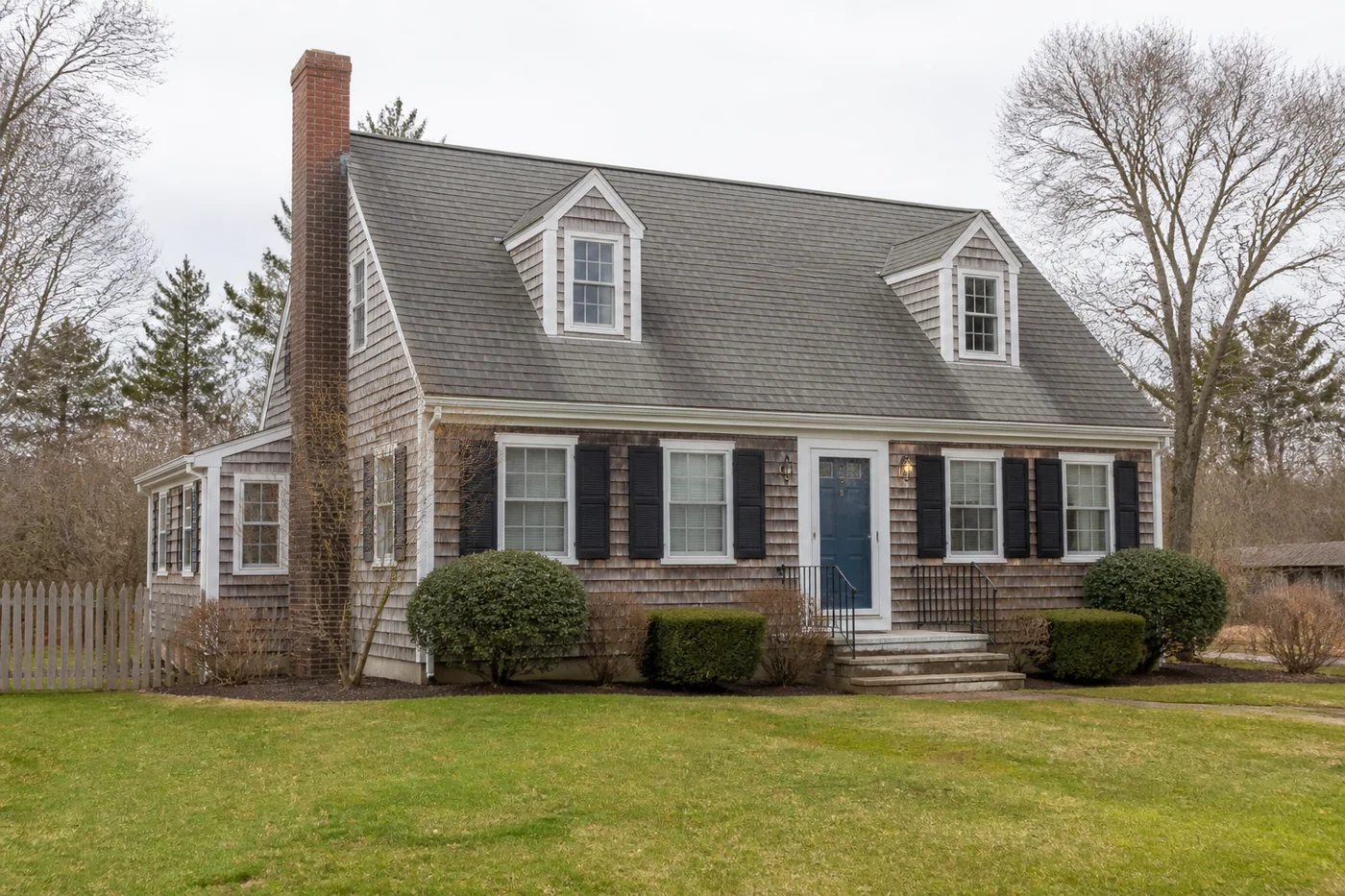
Provincetown is the densest housing stock on the Cape and the oldest, and its bathrooms show it. They were fitted in long after the houses went up: under a stair, into a dormer, carved off the end of a bedroom. Three feet by six is a normal Provincetown shower, and the room around it is rarely square to itself.
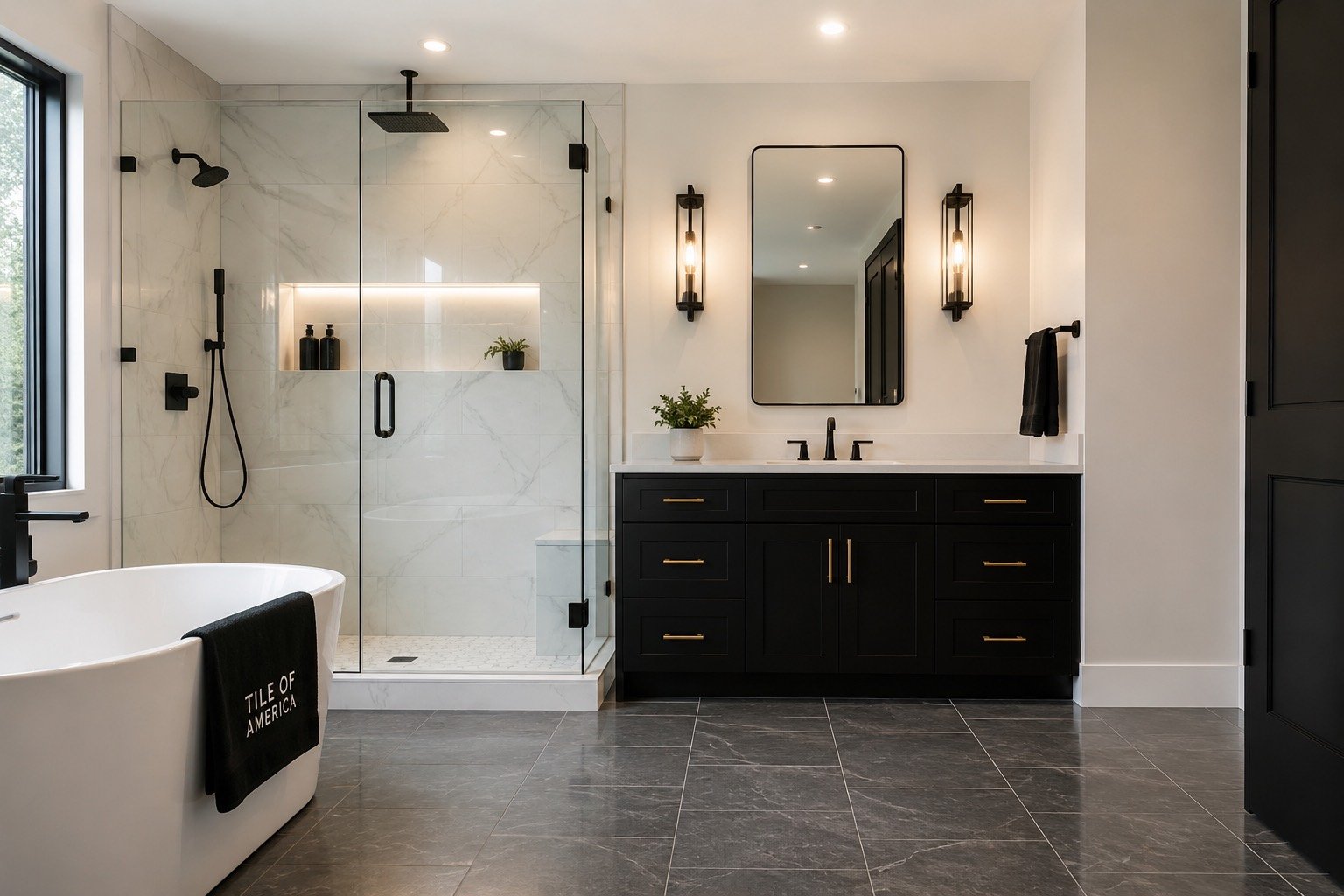
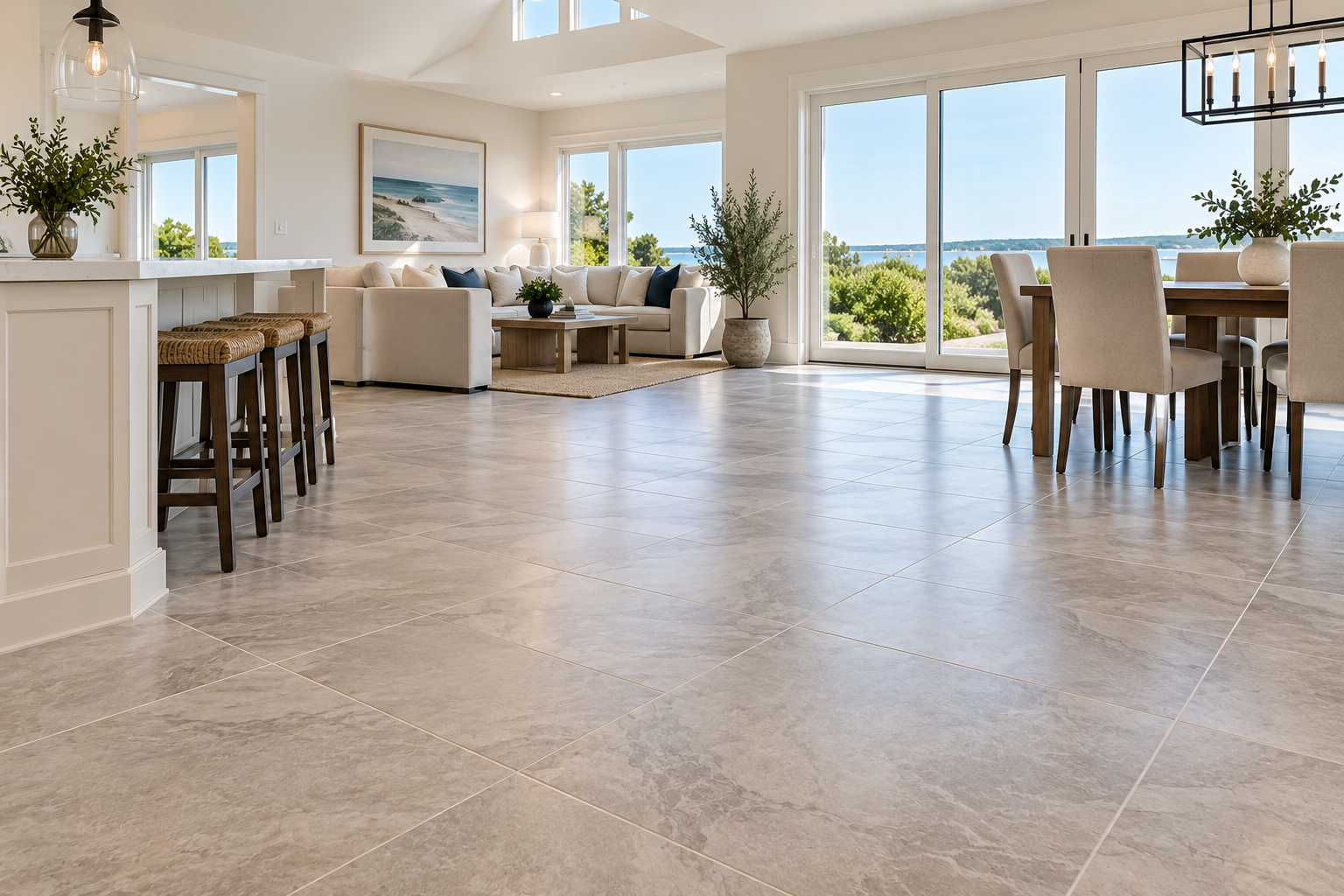
Small is the whole problem, and it runs against intuition. A big bathroom is mostly flat field tile, which is forgiving. A tiny one is nearly all edges: inside corners, outside corners, a curb, a niche, a bench, a threshold. Count the linear feet of change-of-plane per square foot of tile and a Provincetown bathroom has several times what a suburban one does, and every one of those is a joint the membrane has to be dressed into by hand.
Then there is the building. Houses here sit shoulder to shoulder, some on sand with barely a crawlspace, on framing cut before anyone published a deflection table. The floors move. Not dramatically, but enough to work a bond layer loose over a few winters in a room where there is no forgiving field tile to absorb it.
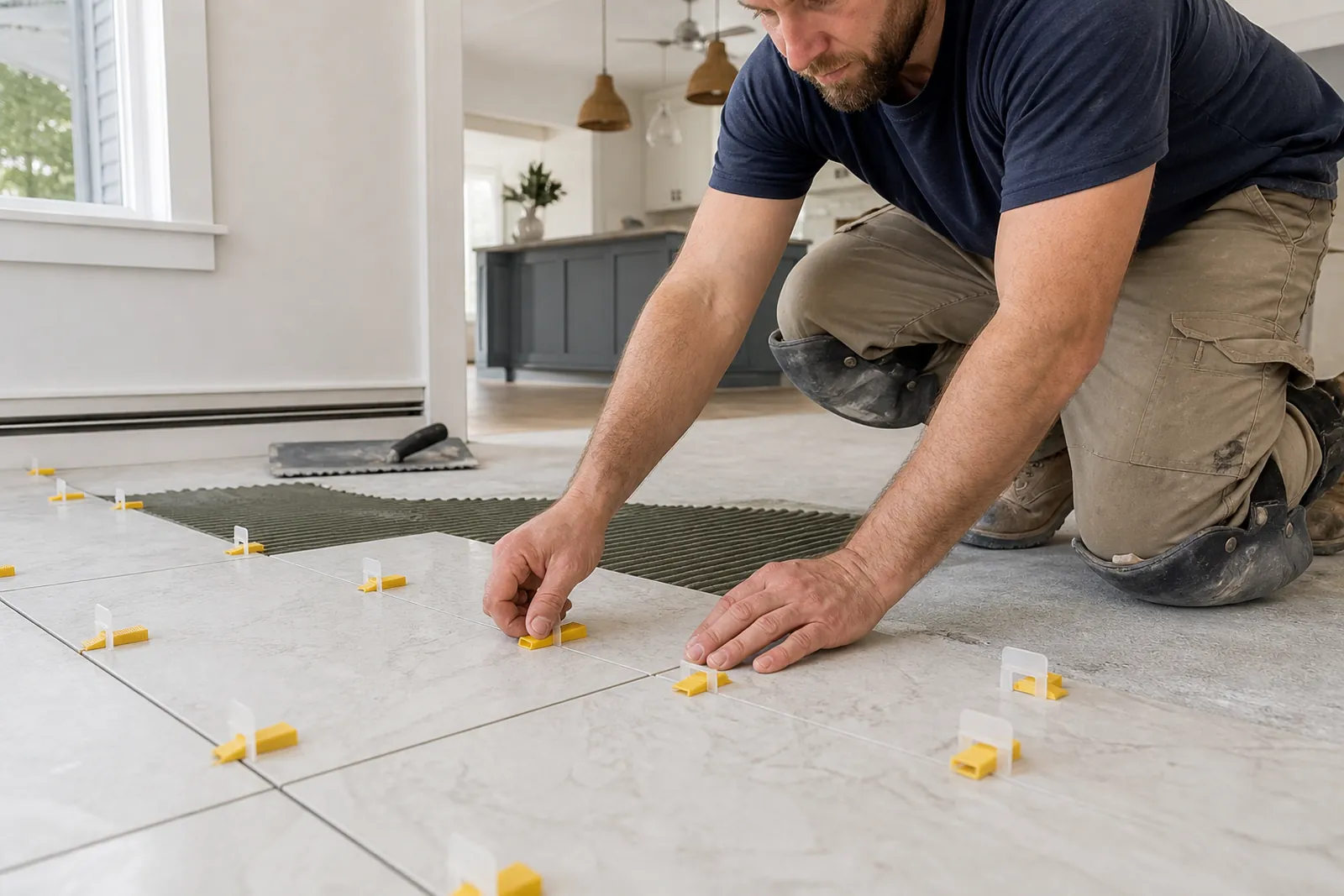
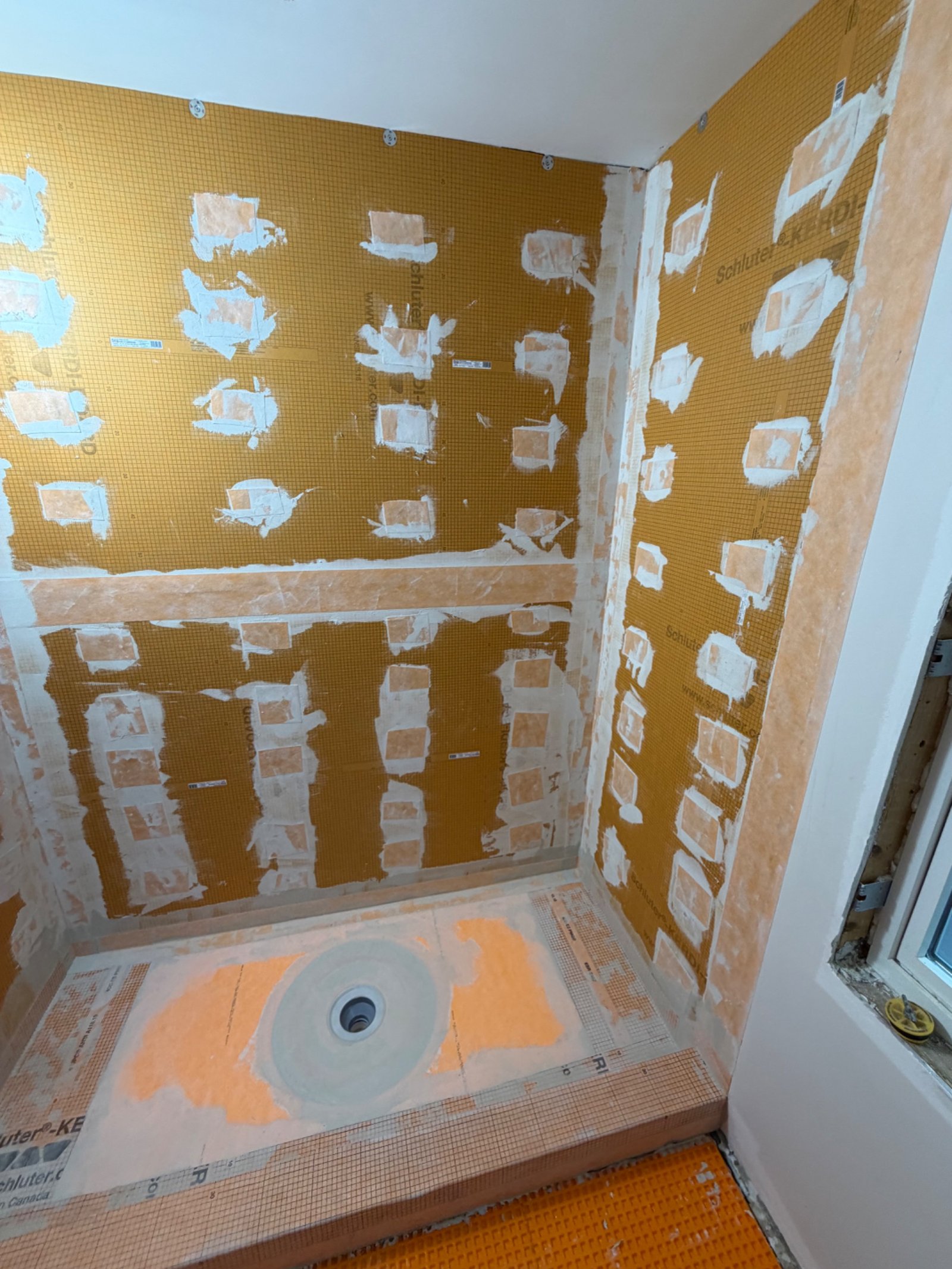
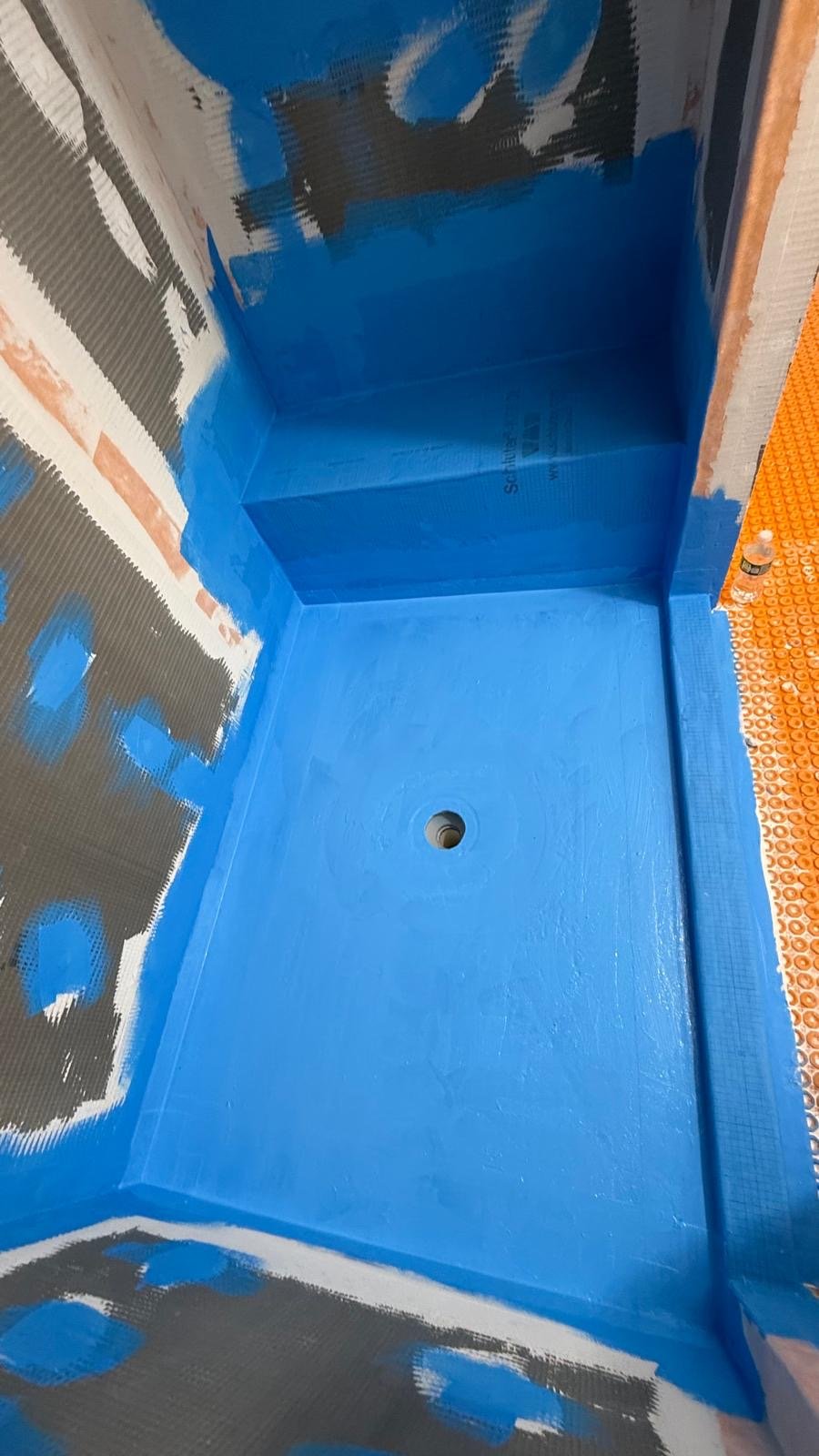
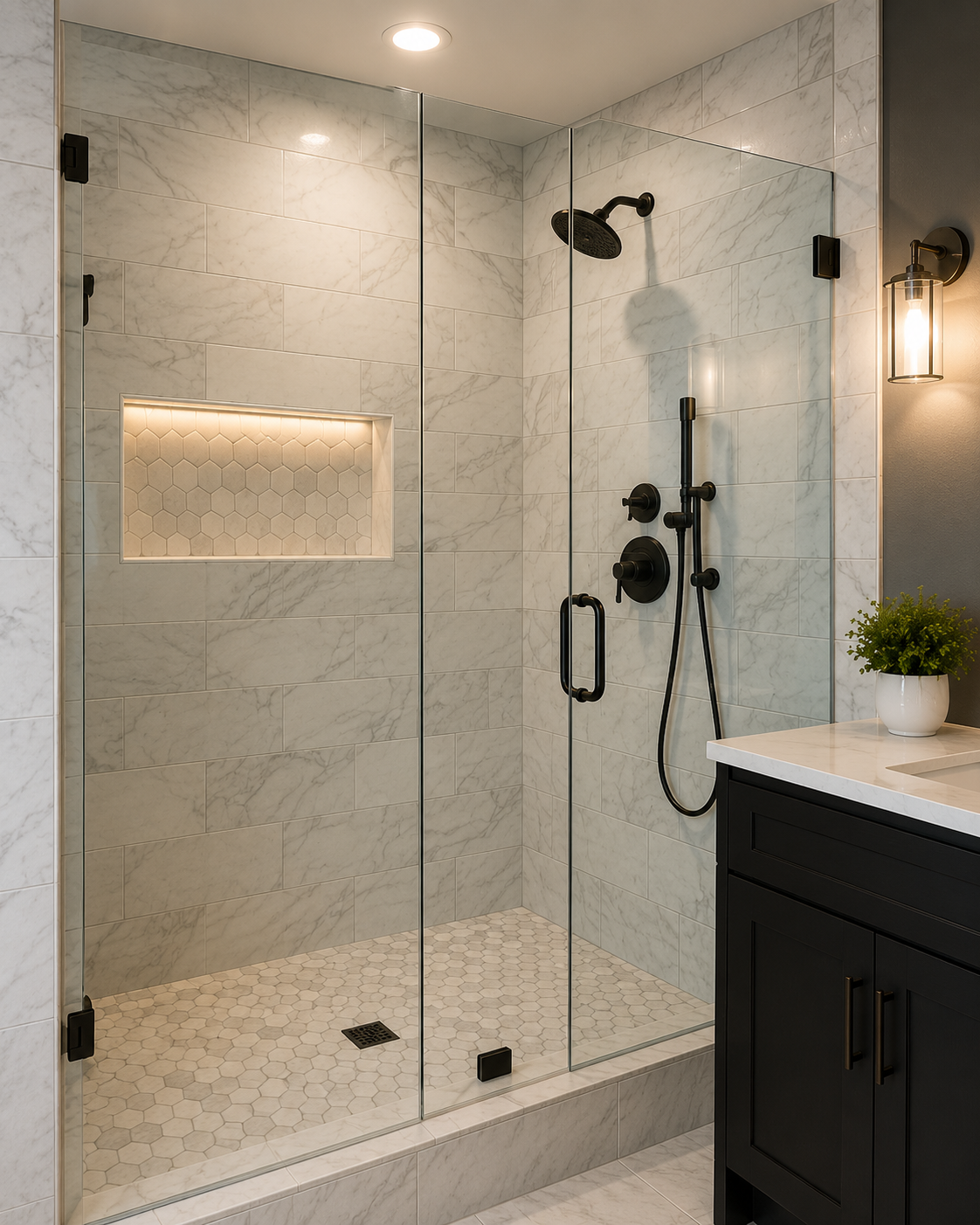
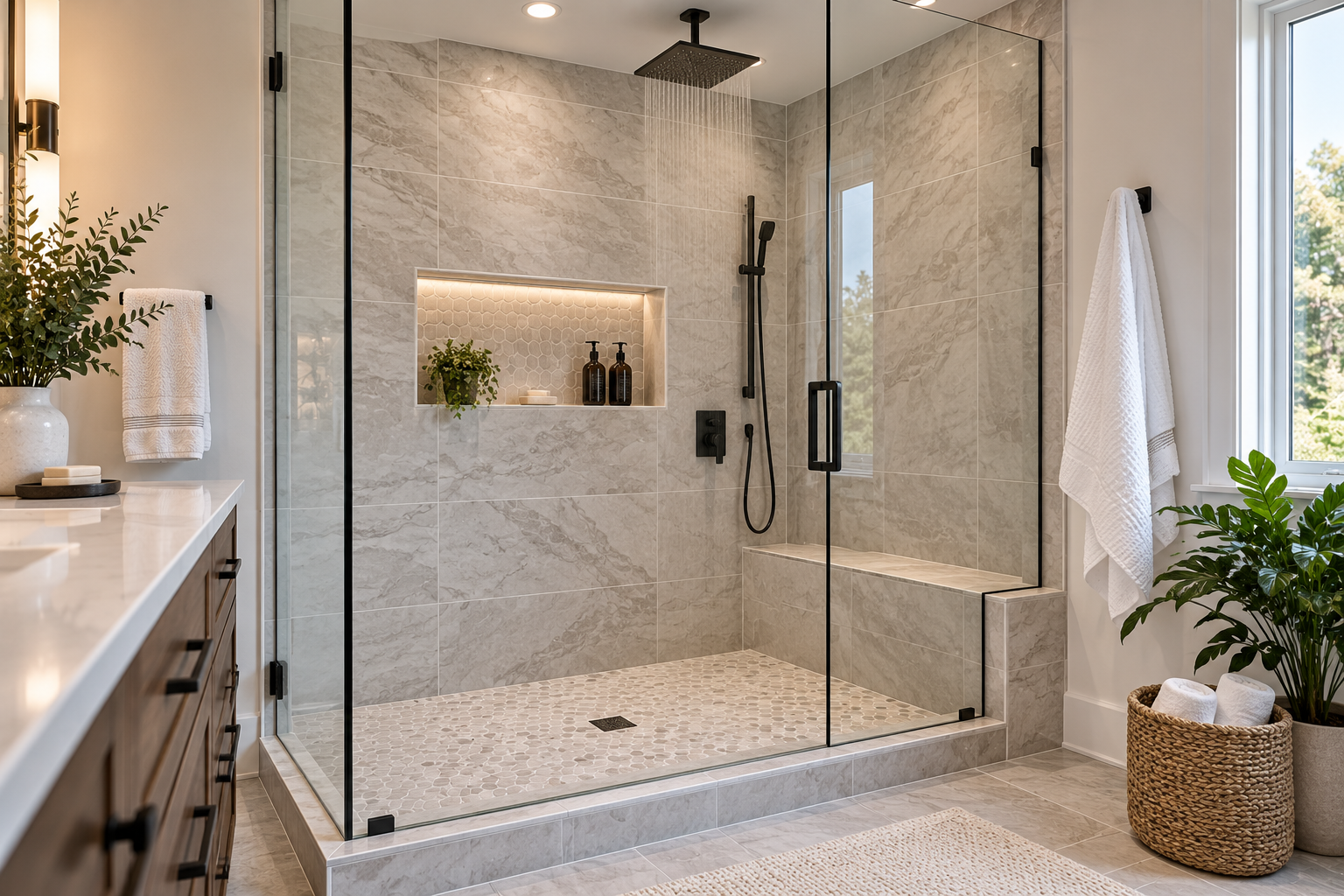
Which is why we price a Provincetown bathroom after standing in it. Deflection and framing get read on site, the shower is built on Schluter Kerdi-Board, waterproof through the panel rather than coated, and the membrane is detailed over every seam, corner and curb. Access is quoted honestly too: on a lot off Commercial Street there is often nowhere to park a van and no way in but through the house.
A small bathroom is not an easy tile job. It is almost all corners, and corners are where water gets behind the surface.


 Tile